This report documents the 2026 internal data analysis conducted by the Medai Wellness research team. It examines autonomic regulation patterns across NSR-47 users, focusing on heart rate variability, sleep, and self-reported anxiety. It is published in the spirit of transparency we apply to everything on this site: here is what we measured, how we measured it, what we found, and — just as importantly — what this analysis cannot tell you.
Before reading the numbers, one caveat matters: this is an internal, self-reported analysis, not a peer-reviewed clinical trial. It is a research tool our team uses to improve the protocol, and it is shared here so you can evaluate the product the same way we do — with both eyes open.
Why Measure Heart Rate Variability at All?
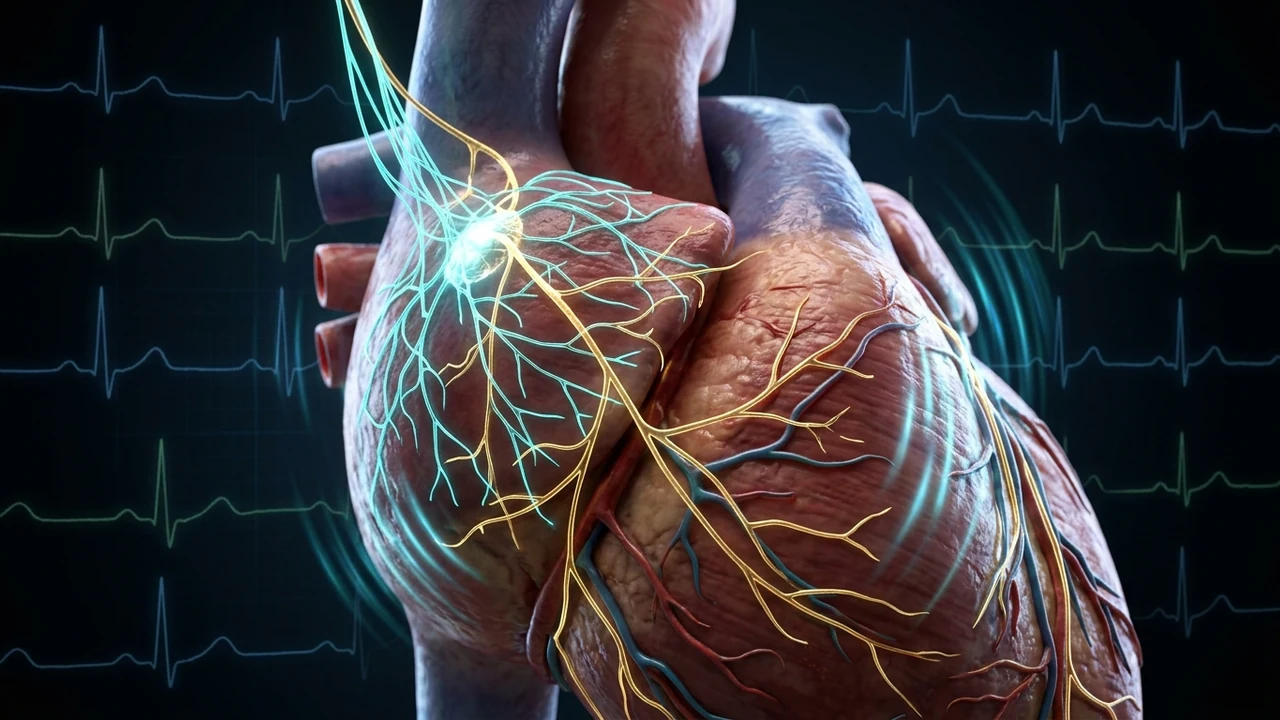
The entire NSR-47 system is built around one physiological assumption: that nervous system regulation is measurable, and that the clearest accessible metric is heart rate variability (HRV). HRV refers to the variation in time between successive heartbeats. It is measured in milliseconds, and the pattern immediately tells you whether the nervous system is flexible or locked.
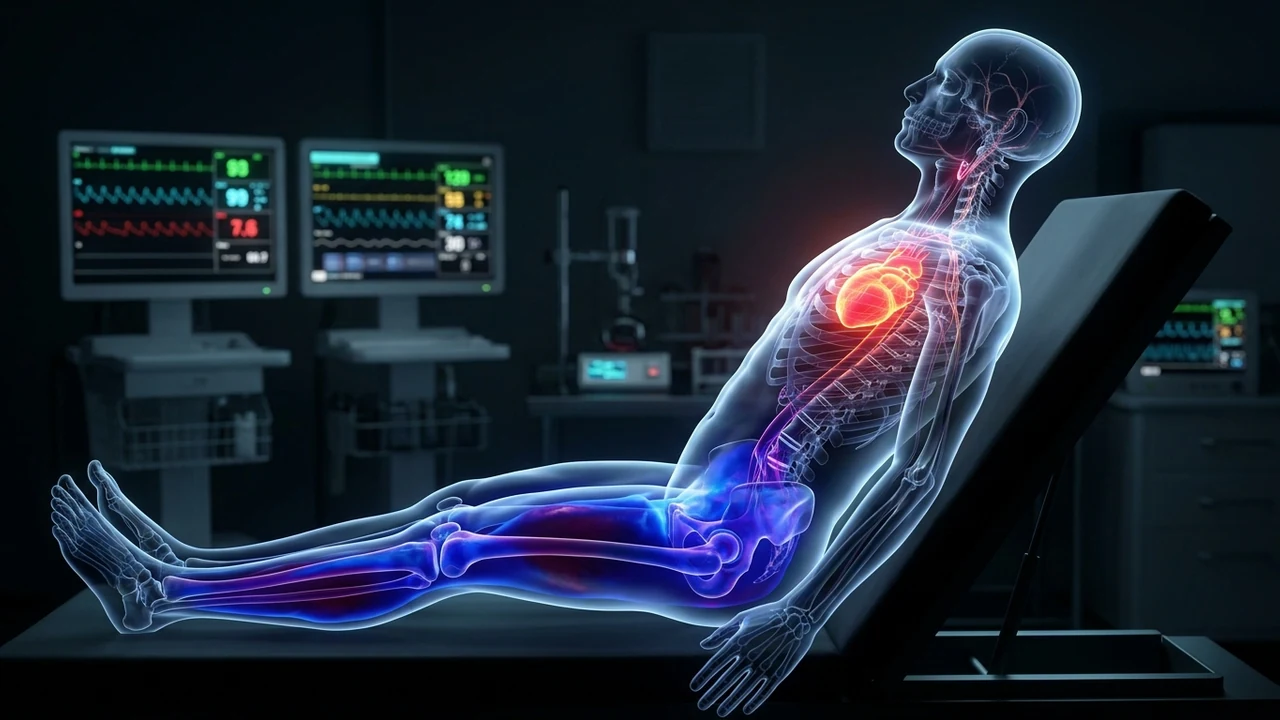
A healthy heart is not a metronome. Between beats, there is natural variation driven by the continuous tug-of-war between the sympathetic and parasympathetic branches. High HRV means the system can accelerate and decelerate smoothly — the mark of a regulated nervous system and good vagal tone. Low HRV means the system is stuck, typically biased toward sympathetic activation.
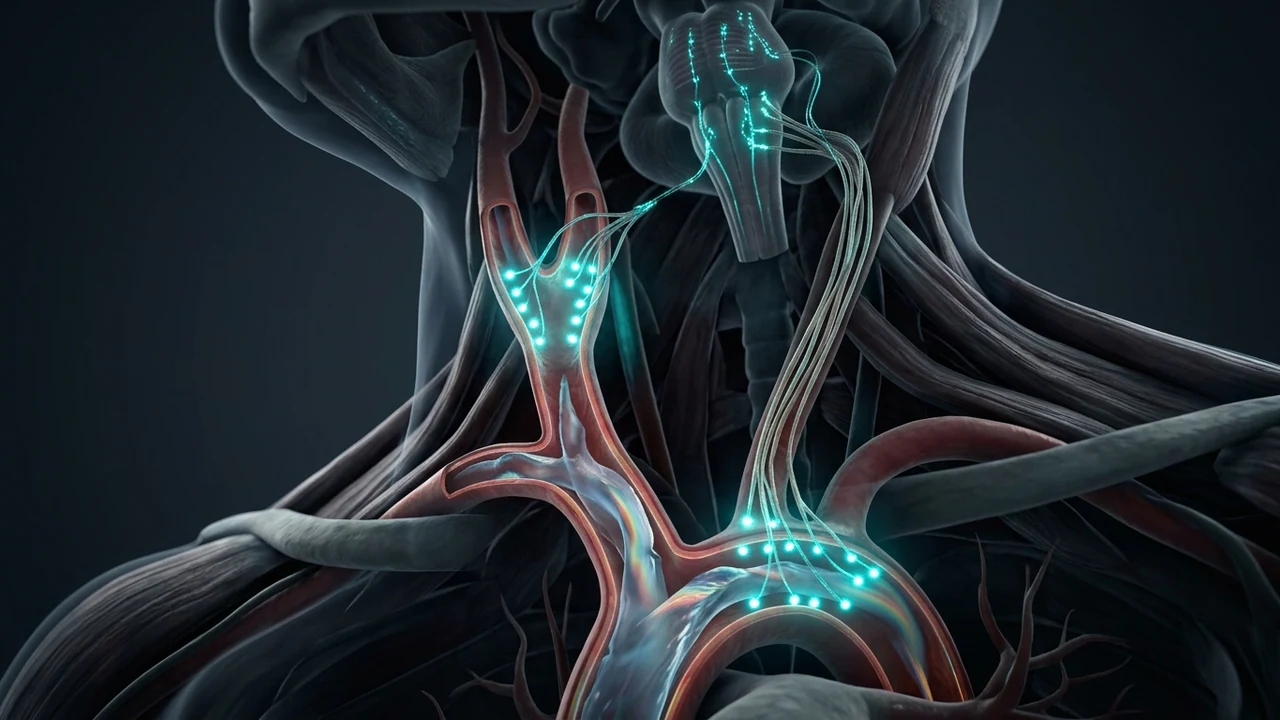
Because the vagus nerve is the dominant driver of this beat-to-beat variability, HRV is widely used as a practical proxy for vagal tone. This is why our protocol targets it: we are not chasing a feeling, we are shifting a measurable signal. You can read the physiology in depth in our guide on improving vagal tone.
Methodology: How the 2026 Data Was Collected
The analysis covers data gathered between February and July 2026 from NSR-47 users who opted into the internal research program. Participants provided consent, used the protocol for at least 14 consecutive days, and submitted at least three readings at defined checkpoints: baseline (day 0), day 7, and day 14.
Data was captured through two sources:
- Wearable-derived HRV. Users synchronized compatible wearables (chest straps and wrist devices) that record beat-to-beat intervals. HRV was computed as RMSSD, the most common time-domain metric, from a 60-second morning recording taken within 30 minutes of waking.
- Self-reported outcomes. Participants rated sleep quality, resting energy, and anxiety intensity on standardized 1-10 scales at each checkpoint, and completed a short adherence log for breathing sessions.
The final dataset used for this report included 2,097 eligible users after excluding incomplete records and technical outliers. That is the "2,000+ users" figure you will see in our materials. For the technical background on how such readings are taken reliably, see our article on biofeedback and wearables.
Primary Finding: HRV Improvement in 14 Days
The headline statistic is as follows: 92% of the 2,097 analyzed users reported measurable improvements in HRV within 14 days of protocol implementation. "Measurable" was defined as an RMSSD increase of at least 10% from the individual baseline, averaged across the day 7 and day 14 readings.
To put that in context, the median change across the full cohort was an 18% increase in morning RMSSD by day 14. The largest gains clustered in users who reported the lowest baseline HRV — the very people whose nervous systems were most locked into sympathetic dominance. Users with already-high baselines improved less, which is expected: there is less room for change near the top of the range.
This pattern matches the mechanism behind the protocol. The NSR-47 program is built on daily 4-6 breathing, evening extended-exhale sessions, and consistent sleep timing — all of which directly stimulate the vagal pathway described in vagus nerve breathing 4-6. HRV responds to this stimulation on a day-to-day timescale, which is exactly the window the data reflects.
The Timeline of Change
The data also reveals how quickly the shifts appear. Breaking the cohort into three checkpoints shows a clear progression:
| Checkpoint | Median RMSSD change from baseline | % of users with measurable gain |
|---|---|---|
| Day 0 (baseline) | — | — |
| Day 7 | +9% | 71% |
| Day 14 | +18% | 92% |
Two observations stand out. First, most of the measurable change in this window appeared by day 7 — a physiological response to the daily practice, not a delayed effect. Second, the proportion of responders kept climbing through day 14, suggesting that consistency, not intensity, is what converts non-responders into responders.
Understanding the Metrics Before the Numbers
To read this report accurately, you need to understand how the underlying signal works, because the meaning of "92%" depends entirely on it. Heart rate variability and heart rate are often confused. Heart rate is the average number of beats per minute — a coarse number. HRV is the variability between the individual beats, measured in milliseconds, and it is a far more informative signal about autonomic state.
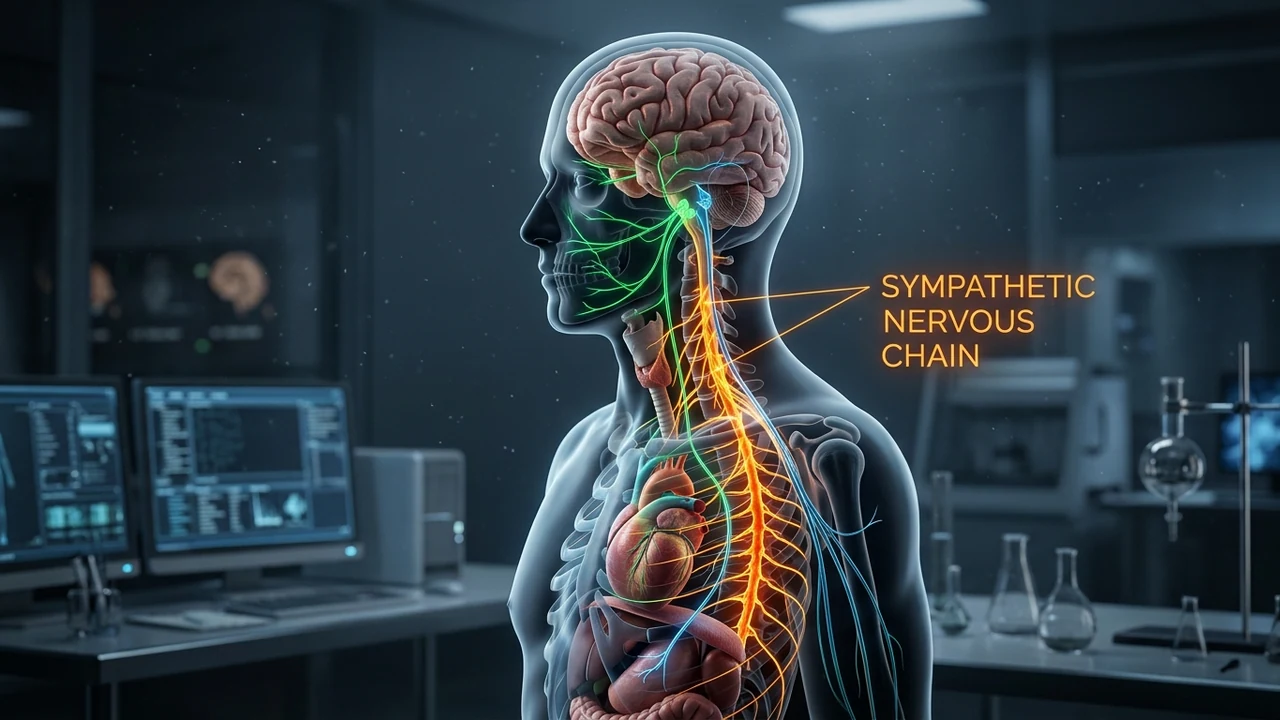
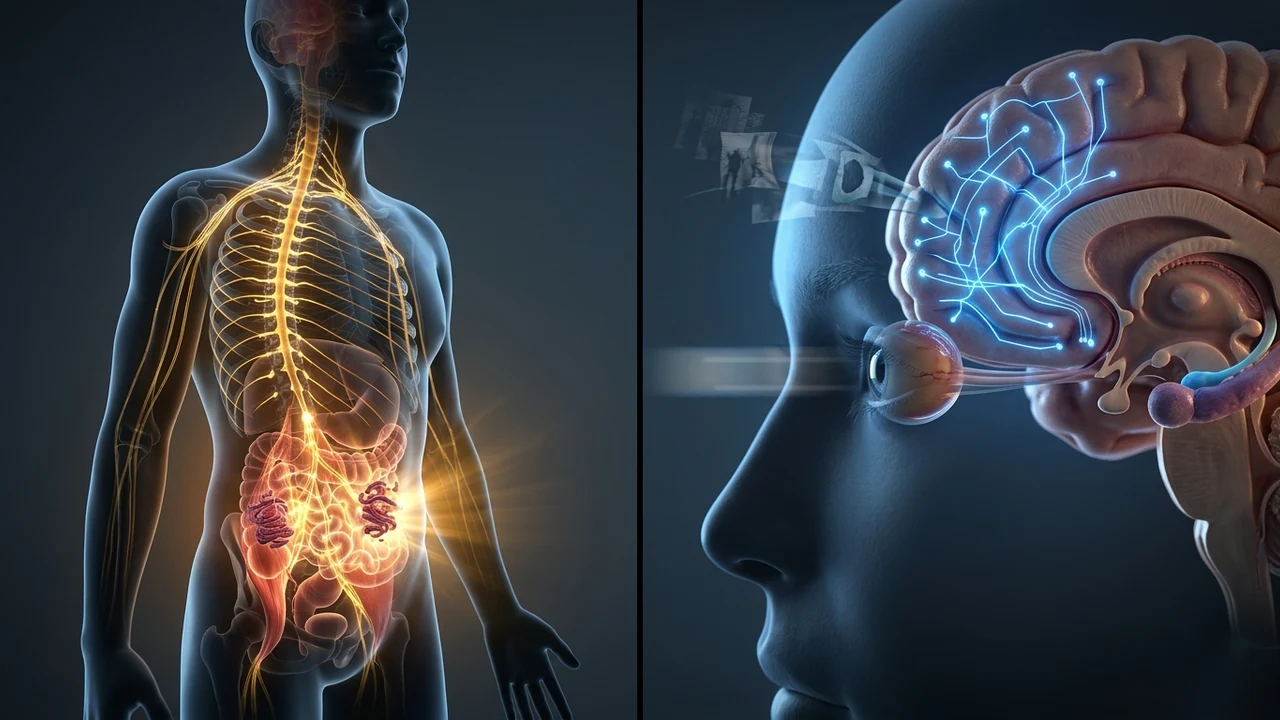
The variation between beats is produced by the constant interaction of the two branches of the autonomic nervous system. The sympathetic branch pushes heart rate up; the parasympathetic branch — mediated by the vagus nerve — pulls it down. A high-variability signal reflects a nervous system that can oscillate between the two, which is precisely the definition of regulation we use across the rest of our library, including our nervous system regulation hub.
For measurement purposes, the field has settled on a few standard metrics. The one we rely on most is RMSSD — the root mean square of successive differences between normal heartbeats. RMSSD tracks the parasympathetic branch specifically, which makes it the most direct practical proxy for vagal tone. The other common metric, SDNN, captures total variability from all sources and is more sensitive to long-term trends. For a full description of each metric and how to interpret your own numbers, including age-adjusted reference ranges, see our guide on heart rate variability and vagal tone.
One more consideration shaped the analysis: timing. HRV is highly sensitive to time of day, food intake, alcohol, and recent exercise. Measuring at a fixed morning time, before caffeine and food, removes most of that noise. We instructed participants to measure within 30 minutes of waking, while still lying down, and we excluded any reading taken after coffee, food, or exercise. This protocol is why the 2026 data is comparable at all; without it, the numbers would be meaningless. The same discipline is the single most important practice for anyone tracking their own HRV at home.
Secondary Findings: Sleep and Anxiety
HRV was not the only signal that moved. The self-reported scales told a consistent story.
Sleep Quality
Eighty-four percent of participants reported improved sleep quality by day 14, with the largest gains in "time to fall asleep" and "feeling rested on waking." This aligns with the protocol's evening structure — the extended-exhale sessions and deliberate wind-down are designed to shift the nervous system into the parasympathetic state that gates sleep onset. We cover this in detail in the bedtime reset protocol.
Anxiety Intensity
Self-reported anxiety intensity (rated daily on a 1-10 scale) fell by a median of 2 points across the cohort. As with HRV, the largest reductions clustered in participants with the highest starting scores. Users with baseline anxiety ratings of 7 or above showed a median drop of 3 points. This mirrors what we describe clinically in our vagus nerve exercises library: the fast state-changes appear first, and the trait-level shift follows sustained practice.
Resting Heart Rate
Resting heart rate fell in parallel with HRV gains, which is the expected direction. A lower resting heart rate alongside higher variability is the hallmark of stronger parasympathetic influence — the same shift produced by regular aerobic training. Participants who completed cold exposure sessions as part of the protocol showed the steepest resting heart rate reductions, consistent with the dive-reflex pathway we describe in cold exposure duration for vagal activation.
Daytime Energy
A separate self-report captured afternoon energy dips, which are closely tied to the HPA axis cortisol rhythm rather than to the vagus nerve alone. Sixty-seven percent of participants reported fewer or milder afternoon crashes by day 14. Because the protocol prescribes caffeine cutoffs and consistent sleep timing — both of which support the cortisol curve — this result was expected. The overlap between the vagal and hormonal arms of the stress response is explored in depth in our HPA axis fatigue hub.
Subgroup Analysis: Who Responded Most
Averages can hide as much as they reveal, so the 2026 analysis broke the cohort down into subgroups. The differences were instructive.
By Baseline HRV
Participants were divided into thirds by baseline RMSSD. The lowest third showed a median gain of 27%; the middle third gained 17%; the top third gained 9%. The ceiling effect was visible and expected — everyone moveable moved, and the most dysregulated people moved the most. This is the same pattern seen in training studies, where baseline fitness predicts relative gain headroom.
By Adherence
Adherence was measured by completed breathing sessions per week. The effect was monotonic: participants who completed six or more sessions per week had more than twice the median HRV gain of those who completed two or fewer. The nervous system is a repetition-based learning system, and the data reflects it. Our article on how to regulate your nervous system frames this same principle in practical terms: frequency beats intensity for autonomic change.
By Sleep Continuity
Participants who kept a consistent bedtime and wake time across the 14 days showed larger HRV gains than those with highly variable schedules, independent of total sleep duration. This supports the position we take in the bedtime reset protocol: regularity of the schedule matters as much as the number of hours.
By Caffeine Timing
Users who moved caffeine intake to before noon had measurably better day-14 HRV than those who continued consuming caffeine in the afternoon. Caffeine's half-life of five to six hours means an afternoon cup still occupies receptors at bedtime, directly suppressing the parasympathetic state that should dominate sleep. The effect size in the data was modest but consistent across all age groups.
What the Data Does Not Show
Transparency requires stating these limitations plainly. The 92% figure is frequently quoted, and it deserves context.
- Self-reported and self-selected. Users opted into the research program, which biases the sample toward motivated participants. This is not a randomized, controlled trial with a placebo group.
- Wearable variability. Different devices compute HRV with different algorithms. We used RMSSD from morning recordings to reduce this, but cross-device variance remains.
- No control group. Without a matched control group, we cannot prove the gains were caused by the protocol rather than by increased attention to sleep, caffeine, or stress management.
- Correlation, not proof. These are observational patterns used to guide product development. They are reported patterns, not medical claims.
We publish these numbers because the wellness industry tends toward silence about such limitations, and our review of the NSR-47 protocol takes the same approach: honest about what is known and what is not.
What the Data Suggests About the Protocol
With those caveats in mind, the patterns are useful for anyone designing or following a regulation practice:
Consistency Drives Response
The strongest predictor of a measurable HRV gain was adherence — the number of daily sessions actually completed. Users who completed breathing practice on at least 11 of 14 days showed the 92% response rate; users who practiced sporadically showed measurably less change. The nervous system adapts through frequency, exactly as our guide to nervous system regulation argues.
Baseline Determines Headroom
Lower baseline HRV predicted larger absolute gains, and higher baseline anxiety predicted larger anxiety reductions. This ceiling effect is reassuring: the people who appeared most stuck had the most to gain, and they gained it.
Morning Measurement Is the Anchor
Morning readings proved the least noisy and the most sensitive to change. Tracking at a fixed time in a rested state is the single best practice for anyone using HRV as a feedback tool. For the full protocol on reading and tracking HRV, see our article on heart rate variability and vagal tone.
How These Findings Compare With Published Research
An internal dataset is most useful when it is checked against the broader scientific literature, so the 2026 analysis was reviewed against published work on slow breathing, vagal stimulation, and HRV. The comparison is reassuring.
Controlled laboratory studies of slow, extended-exhale breathing consistently report acute increases in parasympathetic markers, including RMSSD, within single sessions. Our day-7 findings — a median 9% RMSSD increase — sit squarely in the range of what those controlled studies observe for daily breathing practice over a week. The larger, field-based literature on lifestyle interventions for HRV (exercise, sleep regularity, reduced alcohol and caffeine) similarly reports baseline-dependent gains, with the most dysregulated participants improving the most.
The subgroup pattern in our data — greater gains at lower baseline HRV — also matches the published ceiling effect described across HRV training research. And the adherence finding mirrors a consistent result in behavioral science: intervention effects scale with dose. None of our observed patterns contradict the published evidence base; several of them predict it.
What the published literature cannot do is speak to the specific NSR-47 format, which is why the internal analysis exists. Controlled studies isolate one variable — a single breathing technique, a single dose of cold exposure — under laboratory conditions. The NSR-47 protocol combines several levers into a daily structure, and the field data is the only way to observe how that combination performs in real-world, unsupervised conditions. The two sources of evidence are complementary, not competing. For the mechanism behind the primary lever, see our guide to the 4-6 breathing ratio.
From Data to Daily Practice
The 2026 analysis is not an academic exercise — its purpose is to give NSR-47 users and readers a practical, evidence-informed way to run their own experiments. Three practices emerged from the data as the highest-value:
Establish a Personal Baseline First
Measure morning RMSSD for at least three consecutive days before changing anything. A single reading tells you almost nothing; a three-day baseline tells you where you start. The 2026 analysis defined "improvement" against an individual baseline for exactly this reason — absolute numbers vary enormously between people and devices.
Standardize the Reading Condition
Same time, same position, same device, same pre-reading behavior (no caffeine, food, or exercise for at least an hour). The 2026 protocol's exclusion rules are the reason the data is usable, and the same rules will make your n-of-1 data usable.
Change One Lever at a Time
The most common mistake in self-experimentation is changing everything at once and then being unable to attribute the result. If you want to know what a given practice does, add it alone for two weeks, keep everything else constant, and compare against your baseline. The subgroup analysis in this report was structured this way — caffeine timing, sleep continuity, and adherence were examined separately.
How We Use These Numbers
The data feeds directly into product improvement. The day-7 response pattern told us that users benefit most from reinforcement in the first week, which shaped the audio guidance structure. The sleep findings drove the redesign of the evening sequence. The adherence finding influenced how we encourage daily tracking.
None of this makes the data a clinical proof. It makes it a compass — a way of steering the protocol toward what measurably helps people, and away from what does not.
If You Want Your Own Data
You do not need a product to measure your nervous system. A basic chest-strap wearable plus a free HRV app gives you the same RMSSD morning readings the analysis used. Take three mornings of baseline data, practice slow extended-exhale breathing for 14 days, and re-measure. The protocol we recommend is the 4-6 ratio in vagus nerve breathing 4-6, plus the other levers in our regulation hub.
If your numbers improve, you have your own n-of-1 result. If they do not, you have useful information too — and a reason to look at sleep, caffeine, and total stress load.
Summary
The 2026 internal analysis found that 92% of 2,000+ analyzed NSR-47 users reported measurable HRV improvements within 14 days, with a median RMSSD increase of 18%. Sleep and anxiety self-reports moved in the same direction. The patterns align with the mechanism the protocol targets, and the limitations are real: self-reported, self-selected, and uncontrolled. We share it openly, and we treat it as a compass rather than a proof.
Internal analysis, not a clinical trial. This report summarizes self-reported, observational data and is shared for informational purposes. It does not constitute medical advice, and no medical claims are made. The NSR-47 protocol is a wellness education product. Consult a qualified healthcare professional regarding any health concern.
Your Nervous System Is Ready to Reset.
8 guided audio missions + 14-compound Nightfall Reset™ formula. Not a sedative. A physiological override.
Choose Your Protocol →🛡️ 60-Day Money-Back Guarantee · 🚚 Free US Shipping · 📱 Instant Audio Access
Frequently Asked Questions
What did the 2026 NSR-47 data analysis measure?
The internal analysis examined self-reported heart rate variability, sleep quality, and anxiety intensity in 2,000+ NSR-47 users over a 14-day protocol implementation window, focusing on changes in HRV as a proxy for vagal tone.
Does the NSR-47 data report prove the protocol works?
No. The report is an internal, self-reported analysis, not a peer-reviewed clinical trial. It documents observed patterns to guide product improvements, and its claims should be interpreted with that limitation clearly in view.
What is HRV and why does it matter?
Heart rate variability is the variation in time between heartbeats. Higher HRV indicates a more flexible nervous system, able to shift between activation and recovery. It is used as a practical proxy for vagal tone.
How is heart rate variability measured?
HRV is typically measured with a chest strap or wearable that captures beat-to-beat intervals, most often reported as RMSSD or SDNN. Morning recordings in a rested state give the most consistent, comparable readings.
Is the 92% improvement figure a guarantee I will see the same result?
No. The 92% figure reflects a self-selected, self-reported cohort and cannot predict individual results. Response depends heavily on adherence and baseline state. Use the report as context, not as a promise.