
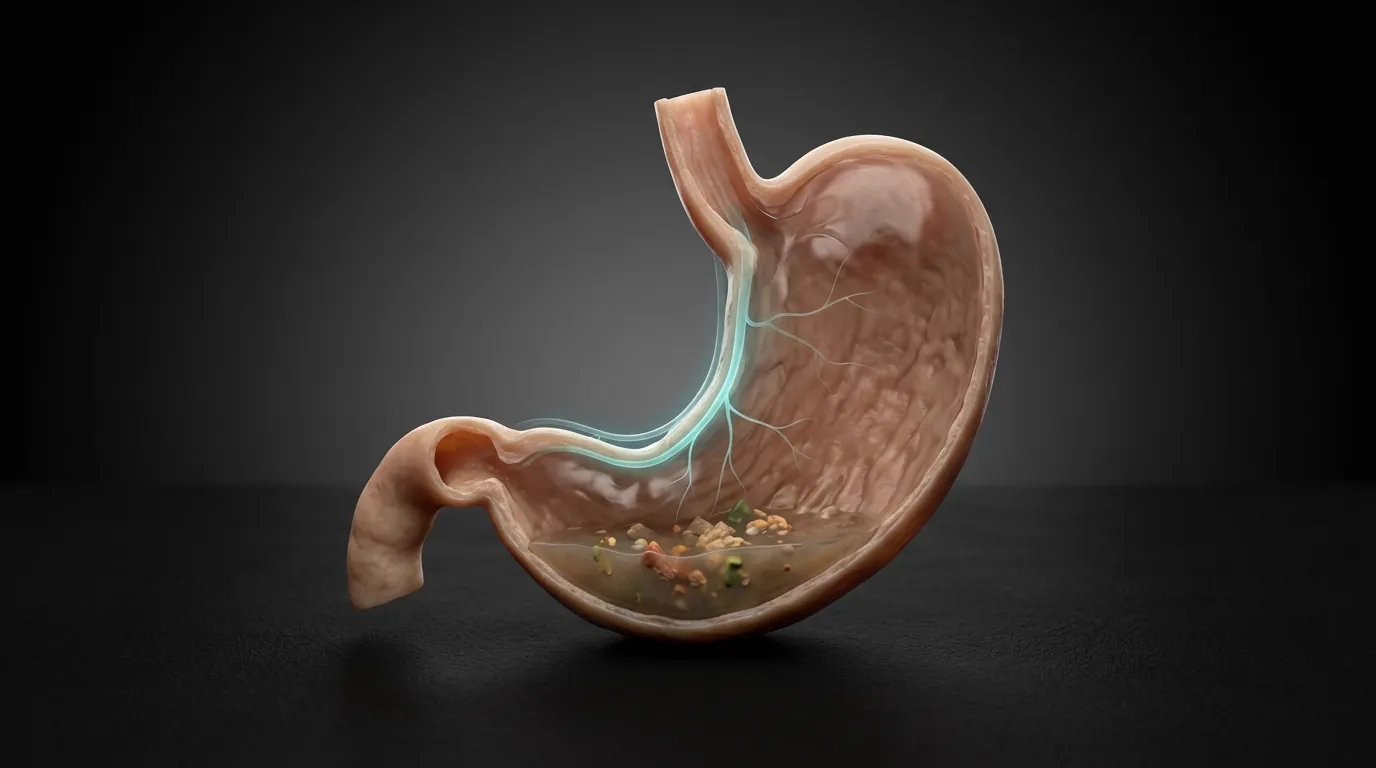
You have gastroparesis but do not have diabetes. Your stomach empties slowly, you feel constantly full and nauseated. So what caused it — and what can you do?
Diabetes accounts for only 25% of gastroparesis cases. The remaining 75% are non-diabetic, and 30-50% of those are idiopathic (Mayo Clinic, 2024).
Key Takeaways
- 75% of gastroparesis cases are non-diabetic
- Idiopathic gastroparesis accounts for 30-50% of all cases
- Post-viral gastroparesis is increasingly recognized after COVID-19
- Surgical vagal injury and medications are reversible causes
- Non-diabetic gastroparesis has a better prognosis than diabetic
Last updated: July 28, 2026 · Reviewed by Dr. Thomas Whitaker, MD, PhD, MD, FAASM
Gastroparesis Beyond Diabetes
Non-diabetic gastroparesis presents with the same symptoms as diabetic: nausea, vomiting, early satiety, bloating, and abdominal pain. But the underlying mechanisms and prognosis differ significantly.
Causes of Non-Diabetic Gastroparesis
Causes include idiopathic (50-60%), medication-induced (15-20% — GLP-1 agonists, opioids), post-surgical (8-12% — vagal injury from fundoplication or bariatric surgery), post-viral (5-10% — norovirus, EBV, COVID-19), neurological (3-5% — Parkinson's, MS), autoimmune (2-3%), and endocrine (2-3% — hypothyroidism).
Idiopathic Gastroparesis
When no cause is found, it is classified as idiopathic. It disproportionately affects women (80% of cases), with onset between ages 20-40. Many cases may have subtle triggers: mild viral infections, subclinical autoimmunity, mitochondrial dysfunction, or chronic stress. Prognosis is better than diabetic — 40-50% improve over 2-5 years (Mayo Clinic, 2024).
Post-Viral Gastroparesis
Post-viral gastroparesis occurs when viral infection inflames the vagus nerve. Symptoms appear 1-4 weeks after infection. COVID-19 is a significant cause, with viral RNA found in vagus nerve tissue. Prognosis is good — 60-70% improve within 6-24 months.
Surgical Gastroparesis
Surgery damaging the vagus nerve (Nissen fundoplication, gastric bypass, sleeve gastrectomy, esophagectomy) can cause gastroparesis. May improve over 6-12 months; sometimes permanent.
Diagnosis
Gastric emptying scintigraphy (gold standard — retention >60% at 2h or >10% at 4h), upper endoscopy, blood work (thyroid, autoimmune panel, celiac), medication review, viral serology.
Treatment
Dietary modifications (small frequent meals, low-fat, low-fiber), prokinetics (metoclopramide, domperidone), antiemetics (ondansetron), and interventional procedures (gastric electrical stimulation, G-POEM, pyloroplasty) for severe cases.
How the breathing protocol Helps
The breathing protocol targets the vagal dysfunction underlying non-diabetic gastroparesis. By raising vagal tone through daily 4-6 breathing, it improves gastric motility and accommodation, reducing symptoms of early satiety and postprandial fullness.
When to See a Doctor
If you have gastroparesis symptoms without diabetes, consult a gastroenterologist. Seek immediate care if you cannot keep down fluids, have severe pain, or notice blood in vomit/stool.