
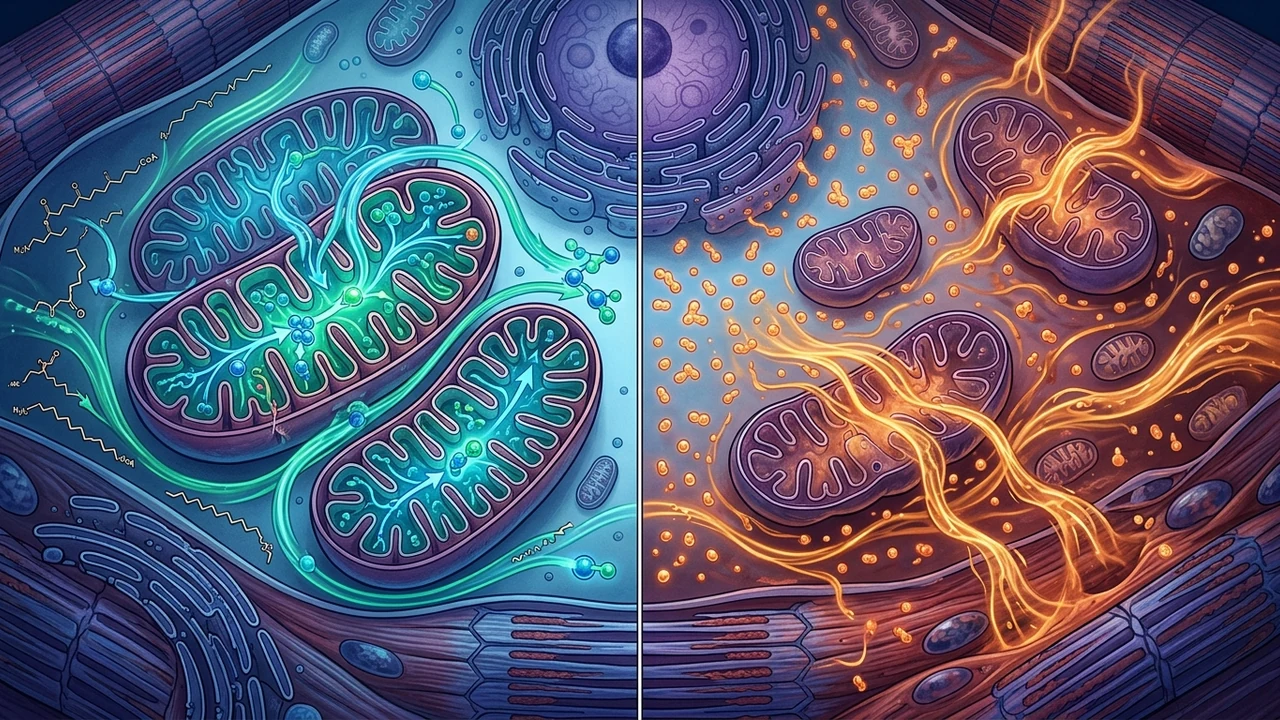
1. The Exercise Intensity & Neuroendocrine Paradox
Exercise is a physiological stressor. When prescribed at the appropriate dosage, it induces beneficial hormetic adaptations: enhanced mitochondrial density, improved insulin sensitivity, and autonomic resilience. However, when the volume or intensity of exercise exceeds an individual's current autonomic recovery capacity, exercise transforms into a destructive pathology.
Many individuals struggling with stubborn midsection weight respond by exercising harder—doubling down on CrossFit, high-intensity intervals, or prolonged threshold training—only to find their waistlines expanding. This common paradox is directly governed by exercise intensity and cortisol belly fat accumulation, where excessive sympathetic activation completely overrides the metabolic benefits of the workout.
2. The Physiology of Zone 2 Aerobic Training
In clinical exercise physiology, Zone 2 represents the highest exercise intensity at which the body can sustain energy production predominantly through mitochondrial lipid beta-oxidation without accumulating blood lactate:
- Lactate Threshold 1 (LT1): In Zone 2, blood lactate levels remain steady between 1.5 and 2.0 mmol/L. Type I slow-twitch muscle fibers clear lactate as fast as it is produced, utilizing it as a secondary fuel source.
- FatMax Zone: Maximal fat oxidation (measured in grams of fat oxidized per minute) occurs precisely within Zone 2. At this intensity, muscle cells mobilize fatty acids directly from circulation and intracellular lipid droplets.
- Sub-Threshold Autonomic Impact: Zone 2 stimulates mild, sustainable sympathetic outflow without overwhelming the parasympathetic nervous system. Post-exercise Heart Rate Variability (HRV) rebounds rapidly within 30 to 60 minutes.
3. The HIIT Trap: Anaerobic Glycolysis & Cortisol Flooding
When exercise intensity surpasses the second lactate threshold (LT2)—as occurs in typical HIIT, Tabata, and maximum-effort circuit training—the metabolic machinery shifts dramatically:
- Type IIx Fast-Twitch Recruitment: The body can no longer wait for slow mitochondrial fat oxidation. It recruits glycolytic fast-twitch fibers that rely exclusively on anaerobic glucose breakdown.
- Hypothalamic-Pituitary-Adrenal (HPA) Axis Overdrive: High blood acidosis (lactate > 6.0 mmol/L) and rapid glycogen depletion stimulate central brainstem nuclei to trigger massive releases of Adrenocorticotropic Hormone (ACTH). Cortisol levels surge by 200% to 400% and remain pathologically elevated for hours post-workout.
- Muscle Proteolysis Over Visceral Burning: In a hyper-cortisolemic state, the post-exercise recovery period is characterized by muscle protein degradation and delayed glycogen resynthesis, while visceral fat cells lock down via alpha-2 adrenergic stimulation.
4. Clinical Comparison: Zone 2 Steady-State vs. HIIT Protocols
| Physiological Parameter | Zone 2 Low-Intensity Steady-State (LISS) | High-Intensity Interval Training (HIIT) |
|---|---|---|
| Primary Substrate Oxidized | Long-chain fatty acids (70% – 85% of total fuel) | Blood glucose and intramuscular glycogen (> 90%) |
| Blood Lactate Concentration | 1.5 – 2.0 mmol/L (steady clearance) | 6.0 – 14.0+ mmol/L (systemic metabolic acidosis) |
| Acute Post-Exercise Cortisol Response | Negligible or slight transient rise; rapid return | Pronounced, sustained spike (2x – 4x baseline) |
| Impact on Visceral Fat Receptors | Preserves beta-adrenergic lipolytic sensitivity | Activates Alpha-2 receptors via systemic adrenaline storm |
| Autonomic Nervous System Recovery Time | 30 – 90 minutes back to parasympathetic baseline | 24 – 48 hours to restore baseline HRV in stressed adults |
| Appetite Modulation Effect | Suppresses ghrelin; smooth, predictable hunger | Triggers acute, urgent cravings for simple carbohydrates |
5. How to Precisely Identify Your Personal Zone 2
You do not need an expensive metabolic laboratory cart to identify your true Zone 2 threshold. Use these validated clinical field markers:
- The "Nasal Breathing Only" Test: You should be able to sustain continuous, unforced nasal inhalation and exhalation for the entire duration of the session. The moment you must open your mouth to gasp for air, you have crossed the lactate threshold into Zone 3.
- The "Talk Test": You can speak full, complete sentences in a conversational tone without needing to pause for a breath between words, yet you cannot sing comfortably.
- Heart Rate Calculation (Maffetone 180 Formula): Subtract your age from 180. If you are recovering from burnout or chronic stress, subtract an additional 5 to 10 beats. The resulting number is your maximum aerobic heart rate cap.
6. The Clinical Exercise Prescription for Visceral Fat Loss
If you are experiencing stubborn belly fat alongside elevated stress or burnout, restructure your weekly physical activity according to this evidence-based framework:
- The 80/20 Aerobic Distribution: Dedicate 80% of your weekly training volume to Zone 2 steady-state exercise (3 to 4 sessions of 45 to 60 minutes) using low-impact modalities like incline walking, stationary cycling, or outdoor rowing.
- Limit Anaerobic Work to Once Weekly: Cap high-intensity interval sessions at exactly one session per week, lasting no more than 15 to 20 minutes total, and only on days when your waking Heart Rate Variability (HRV) is elevated and sleep was optimal.
- High-Frequency Walking (NEAT Accumulation): Aim for 8,000 to 12,000 steps per day spread throughout waking hours. Walking is the ultimate sub-cortisolemic activity that lowers blood glucose and promotes visceral lipolysis without stimulating the HPA axis.
- Heavy, Low-Repetition Resistance Training: 2 to 3 sessions per week focusing on compound movements (3 to 5 sets of 5 repetitions with long 3-minute rest periods). Long rest periods keep the nervous system calm while heavy loads preserve metabolically active muscle tissue.