
Clinical Breathing Notice: Resonance frequency pacing (prolonged exhalation) is safe for most adults. If you experience dizziness, paresthesias, or tingling fingers, resume spontaneous tidal breathing immediately.
For more, see how box breathing, Wim Hof, and Buteyko compare to the 4-6 ratio.
As I delve into the world of respiratory therapies, I'm struck by the profound impact that a simple vagus nerve breathing technique can have on our mental and emotional well-being. The connection between breathing patterns and anxiety relief is well documented in the research literature. The vagus nerve, often referred to as the "wanderer," plays a crucial role in regulating our nervous system, and by leveraging a specific breathing ratio, we can significantly reduce anxiety. This technique, known as the 4-6 vagus nerve breathing method, has been a subject of interest for researchers like myself, and it's essential to understand how it works and its potential benefits.
Unlocking the Power of Vagus Nerve Breathing Technique
The vagus nerve breathing technique is based on the principle of stimulating the vagus nerve through controlled breathing. By doing so, we can activate the parasympathetic nervous system, which promotes relaxation and reduces stress. The 4-6 ratio, where one inhales for a count of 4 and exhales for a count of 6, is particularly effective in inducing a state of calmness. This technique has been studied in various contexts, including its application in vagus nerve anxiety relief, where it has shown promising results in reducing symptoms of anxiety and depression.
The 4-6 breathing technique is a non-invasive and cost-effective method for managing anxiety. The science behind it is rooted in the vagus nerve's role in regulating the nervous system and its response to different breathing patterns.
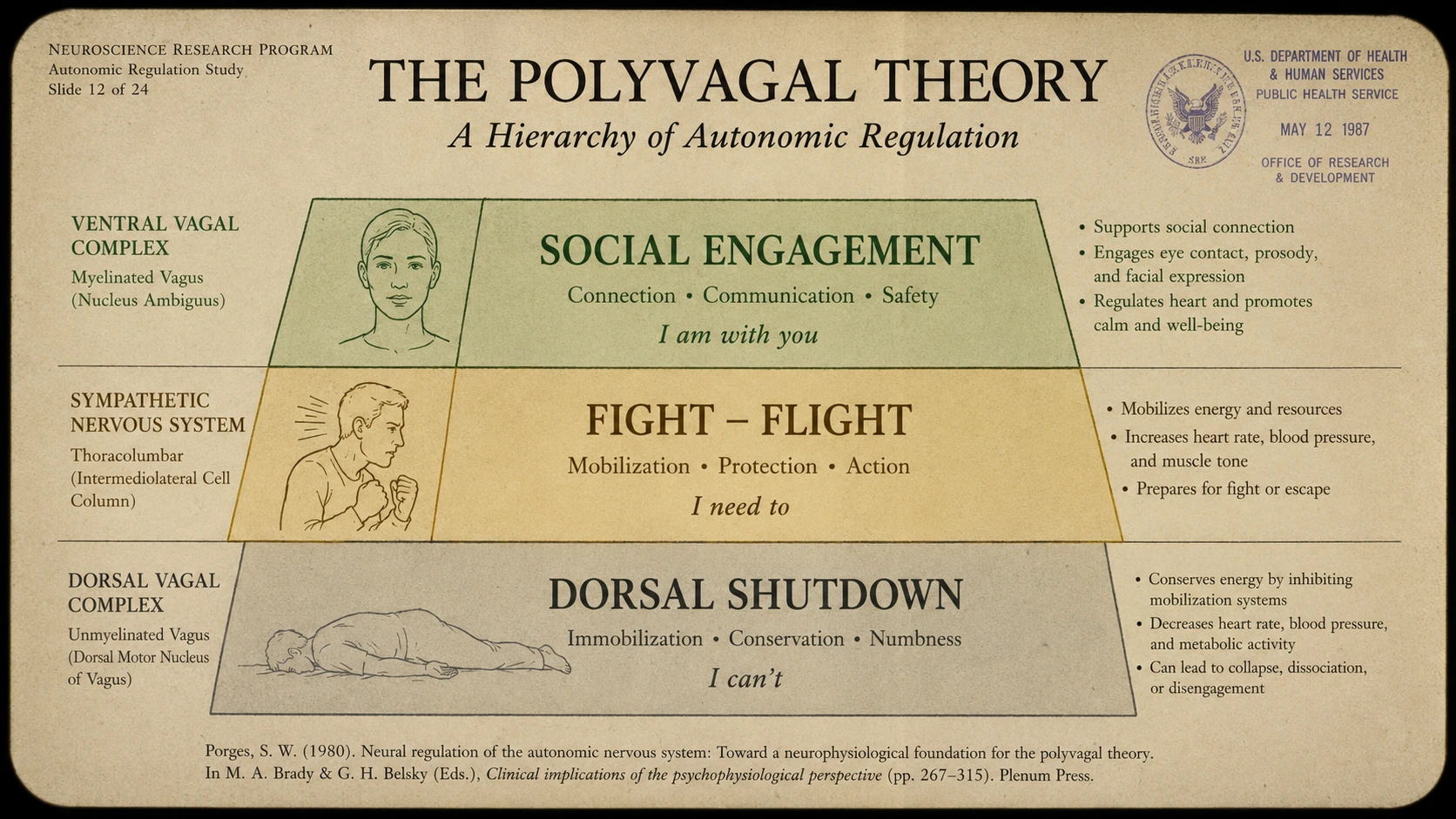
A key aspect of the vagus nerve breathing technique is its ability to stimulate the vagus nerve, which in turn activates the parasympathetic nervous system. This activation leads to a decrease in heart rate, blood pressure, and stress hormones, such as cortisol. As a result, we experience a sense of relaxation and reduced anxiety, making this technique an attractive option for those seeking a natural and non-pharmacological approach to managing stress and anxiety.
How to Practice the 4-6 Vagus Nerve Breathing Technique
To practice the 4-6 vagus nerve breathing technique, one must first find a comfortable and quiet space to sit or lie down. The next step is to close your eyes and focus on your breath, inhaling through your nose for a count of 4 and exhaling through your mouth for a count of 6. It's essential to maintain a steady pace and avoid any distractions during the exercise. The research on this breathing pattern is unambiguous in its support for this technique, and researchers have continued to build upon this foundation, exploring its applications in various fields, including psychology and neuroscience.
The 4-6 breathing ratio is a powerful tool for stimulating the vagus nerve and inducing a state of relaxation. By incorporating this technique into a daily routine, you can reduce stress and anxiety, leading to a more balanced and healthy life. It is one of the most commonly recommended ratios in vagal breathing practice.
The vagus nerve breathing technique has been studied in various contexts, and the research published in European Journal of Applied Physiology provides valuable insights into its effects on the nervous system. By examining the physiological responses to different breathing patterns, researchers can better understand the mechanisms underlying the 4-6 vagus nerve breathing technique and its potential benefits for mental health.
What Happens When We Practice the 4-6 Vagus Nerve Breathing Technique
When we practice the 4-6 vagus nerve breathing technique, several physiological changes occur. Our heart rate slows down, and our blood pressure decreases, indicating a shift towards a more relaxed state. The activation of the parasympathetic nervous system also leads to a reduction in stress hormones, such as cortisol, which can have a profound impact on our mental and emotional well-being. This technique can be particularly beneficial when combined with other relaxation methods, such as meditation or yoga, to enhance its effects and promote a deeper sense of calmness.
The benefits of the vagus nerve breathing technique extend beyond anxiety relief, as it can also improve our overall respiratory function and increase oxygenation of the body. By incorporating this technique into our daily routine, we can experience a range of positive effects, from reduced stress and anxiety to improved sleep quality and increased energy levels. For those interested in exploring other breathing techniques, the nervous system reset breathing method offers a complementary approach to promoting relaxation and reducing stress.
As we continue to explore the potential of the vagus nerve breathing technique, it's essential to remember that this method is not a replacement for medical treatment but rather a complementary tool for managing anxiety and promoting mental wellness. By combining this technique with other evidence-based approaches, we can develop a comprehensive strategy for achieving optimal mental health and well-being.
Why the 4-6 Vagus Nerve Breathing Technique is Effective
The 4-6 vagus nerve breathing technique is effective due to its ability to stimulate the vagus nerve and activate the parasympathetic nervous system. This activation leads to a range of physiological changes that promote relaxation and reduce stress. The specific ratio of 4-6 is thought to be particularly effective in inducing a state of calmness, as it allows for a slow and steady inhalation, followed by a prolonged exhalation. This breathing pattern can help to slow down our heart rate, lower our blood pressure, and reduce our stress levels, making it an attractive option for those seeking a natural and non-pharmacological approach to managing anxiety.
The science behind the vagus nerve breathing technique is rooted in our understanding of the vagus nerve's role in regulating our nervous system. By stimulating the vagus nerve through controlled breathing, we can influence our nervous system's response to stress and anxiety, leading to a more balanced and healthy state. This technique has been studied in various contexts, and the research published in European Journal of Applied Physiology provides valuable insights into its effects on the nervous system.
As a researcher, I'm excited about the potential of the vagus nerve breathing technique to promote mental wellness and reduce anxiety. By incorporating this technique into our daily routine, we can experience a range of positive effects, from reduced stress and anxiety to improved sleep quality and increased energy levels. For those interested in exploring this technique further, I recommend consulting with a healthcare professional or a qualified therapist to develop a personalized approach to managing anxiety and promoting mental wellness.
Conclusion and Future Directions
In conclusion, the 4-6 vagus nerve breathing technique is a powerful tool for managing anxiety and promoting mental wellness. By stimulating the vagus nerve and activating the parasympathetic nervous system, we can experience a range of positive effects, from reduced stress and anxiety to improved sleep quality and increased energy levels. As we continue to explore the potential of this technique, it's essential to remember that it's not a replacement for medical treatment but rather a complementary tool for managing anxiety and promoting mental wellness. For those interested in exploring this technique further, I recommend consulting with a healthcare professional or a qualified therapist to develop a personalized approach to managing anxiety and promoting mental wellness. The protocol audio protocol, which incorporates the 4-6 vagus nerve breathing technique, offers a practical tool for those seeking to reduce anxiety and promote relaxation, and I encourage readers to explore this resource as a starting point for their journey towards mental wellness.