
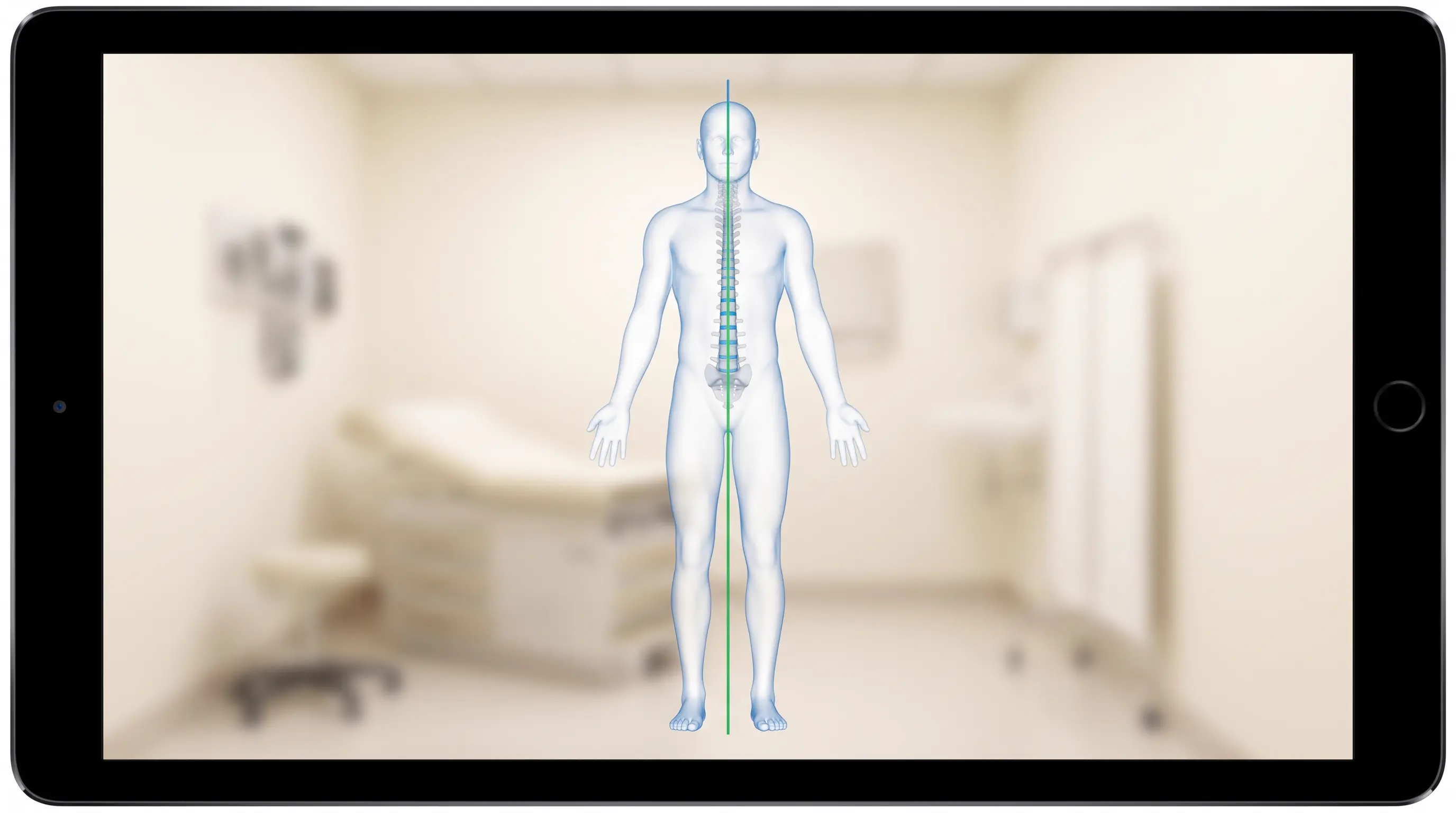
You spend eight hours hunched over a laptop, shoulders rolled forward, neck craned toward the screen. Then you wonder why you feel tense, wired, and short of breath by the end of the day. The connection between your posture and your stress isn't cosmetic — it is physiological, and it runs straight through the vagus nerve.
Posture is not just a matter of appearing confident or avoiding back pain. Your body's position is a continuous stream of signals to your nervous system about how safe you are. When that position is collapsed and hunched for hours, the signal it sends is not neutral — it is a background state of guardedness.
This article explains how posture interacts with the vagus nerve, what the research shows, and how to build a posture practice that genuinely supports your nervous system.
Key Takeaways
- The vagus nerve travels through the neck, where posture physically affects it
- Open, upright postures are associated with higher HRV and parasympathetic activity
- Slumped posture restricts breathing mechanics and maintains low-grade stress tone
- Dynamic movement matters more than holding any single perfect position
- Consistent daily posture practice shifts the baseline over 3-6 weeks
- Posture is one input in the nervous system, not the whole answer
Last updated: August 3, 2026 · Reviewed by Dr. Thomas Whitaker, MD, PhD, MD
The Vagus Nerve Lives in Your Neck
The vagus nerve originates in the brainstem and descends through the neck inside the carotid sheath — the same protective tunnel that carries the carotid artery and jugular vein. From there it branches to the heart, lungs, and gut.
Because of this anatomical route, the neck is not just a mechanical support; it is a highway for nervous system signaling. Chronic forward head posture — the head drifting forward of the shoulders — puts sustained strain on the structures around that highway. Muscle tension, fascial restriction, and joint compression in the neck and upper back are the physical expressions of that strain (NIH/PMC, 2015).
This matters for the nervous system because tension and guarding are themselves a signal. The body reads sustained neck and jaw tension as preparation for threat — a posture of vigilance — and the vagal system responds accordingly.
What the Research Shows About Posture and the Autonomic Nervous System
A growing body of research links body posture to autonomic function. Studies have measured heart rate variability — the physiological index of vagal tone — under different postures, and the pattern is consistent:
- Upright, expanded postures are associated with higher HRV and greater parasympathetic activity
- Slumped, collapsed postures are associated with lower HRV and higher sympathetic activity
- Open, expansive body language (even briefly adopted) is linked to lower cortisol and increased feelings of power and calm
The mechanisms are twofold. First, neural: the vagus nerve and its related facial and neck muscles are part of the social engagement system — the same circuitry that reads and broadcasts safety. Second, respiratory: posture directly changes how freely you can breathe, and breathing mechanics are a primary driver of vagal tone (NIH/PMC, 2021).
"Posture is not merely an expression of the autonomic state; it is an input to it. The body's position feeds the brain continuous information about safety, and the brain responds by adjusting vagal tone. Change the position, and you change the message."
— Cleveland Clinic, Vagus Nerve Health and Body Position
The Breathing Link: Why Hunched Posture Worsens Stress
The diaphragm is the primary breathing muscle and the central motor of vagal activation. When you are hunched forward — shoulders rolled in, chest collapsed — the diaphragm's range of motion is restricted, and breathing shifts to the chest and neck muscles. This produces shallower, faster, more effortful breaths that keep the sympathetic branch engaged.
This is a self-reinforcing loop: stress makes you hunch, hunching restricts your breathing, restricted breathing keeps you stressed. Posture correction is one of the few ways to interrupt that loop from the body side. When you open the chest and lengthen the spine, the diaphragm can move freely again, and every breath becomes a vagal signal. This is why posture practice pairs naturally with breathing practice — see our guide to the 4-6 breathing ratio.
Posture, Neck Tension, and the Social Engagement System
In polyvagal terms, the ventral vagal system — the social engagement state — includes the muscles of the face, neck, and head. Tension in these muscles is the physical signature of the system being unable to fully relax. Jaw clenching, neck tension, and a tucked chin are all signs that the ventral vagal state is being overridden by a low-grade threat response.
This is why posture work shows up in somatic approaches to anxiety and trauma. Releasing chronic neck and jaw tension is not just about comfort; it is about giving the nervous system permission to enter the safe, connected state. For the bigger picture of these states, see our guide to the window of tolerance.
The Posture Correction Protocol
Forget the idea of "perfect posture." The goal is a dynamic, open, breathing-friendly baseline. Here is the protocol.
1. The Micro Reset (Every 30-45 Minutes)
Set a timer. Every 30-45 minutes, take 10 seconds for a micro reset: roll your shoulders back and down, lift your chest, bring your ears over your shoulders, and take three slow breaths with a longer exhale. This single habit does more than any elaborate ergonomic setup because it interrupts the drift into collapse.
2. The Desk Setup
- Monitor: top of screen at or just below eye level, arm's length away
- Chair: support your lower back; feet flat on the floor
- Keyboard: elbows at about 90 degrees, wrists neutral
- Phone: raise it to eye level instead of dropping your head to it
The most common posture killer is the phone. Every degree of forward head tilt increases the load on the neck — at 60 degrees of tilt, the effective load on the cervical spine is roughly five times the weight of your head.
3. Daily Opening Movements (5 Minutes)
A short daily movement practice that targets the chest, neck, and shoulders:
- Chest opener: interlace your hands behind your back and gently lift
- Chin tucks: gently draw your chin straight back (not down), hold 3-5 seconds, repeat 10 times
- Shoulder rolls: slow backward circles, 10 repetitions
- Side bends: reach overhead and lean side to side to lengthen the torso
4. The Standing Check
Standing up, glance sideways in a mirror: your ear, shoulder, hip, and ankle should form a roughly straight vertical line. If your head sits forward of your shoulders, that is the pattern your daily micro resets are working to soften.
What to Avoid
- Militaristic rigidity: a locked, over-erect posture is its own stress posture; aim for soft upright, not stiff
- Static sitting for hours: no position is good enough to hold indefinitely; movement is the real fix
- Posture gadgets as a substitute: wearables and braces can cue awareness but cannot replace movement and muscle tone
- Ignoring jaw tension: the neck and jaw are linked; relax the tongue and jaw to release the chain
- Treating posture as a quick fix: resting tone changes over weeks of consistent practice, not one correction
Posture Is One Layer
Posture is meaningful, but it is not the whole nervous system story. It works best as one layer in a complete strategy: breathing practice, movement, sleep, and structured down-regulation. The people who see the biggest changes combine an upright, open baseline with daily nervous system training.
For the deeper mechanics of what regulates the system, explore our guide to improving vagal tone and the range of nervous system exercises available on the site.
How the protocol Complements Posture Work
The breathing protocol is designed to be the behavioral layer alongside physical habits like posture. Its guided audio sessions lead you through the breathing and grounding practices that convert a good posture into a calm nervous system.
- At the desk: a 5-minute the protocol mission doubles as the micro reset — posture plus breathing in one habit
- Daily: the extended-exhale training deepens the respiratory freedom that good posture creates
- Night: the sleep-support formula supports the down-regulation that restores the neck and jaw from a day of desk tension
Final Thoughts
Your posture is a statement your body makes to your nervous system every second of the day. Hunched says guarded. Open says safe. You don't need to perfect it — you need to return to it, again and again, one micro reset at a time.
Roll your shoulders back right now. Lift your chest. Lengthen your neck. Take three slow breaths. Notice what shifts. That is your vagus nerve responding to a change in position — and it is a practice you can repeat all day.