
1. Hemodynamic Criteria: The Fundamental Blood Pressure Divide
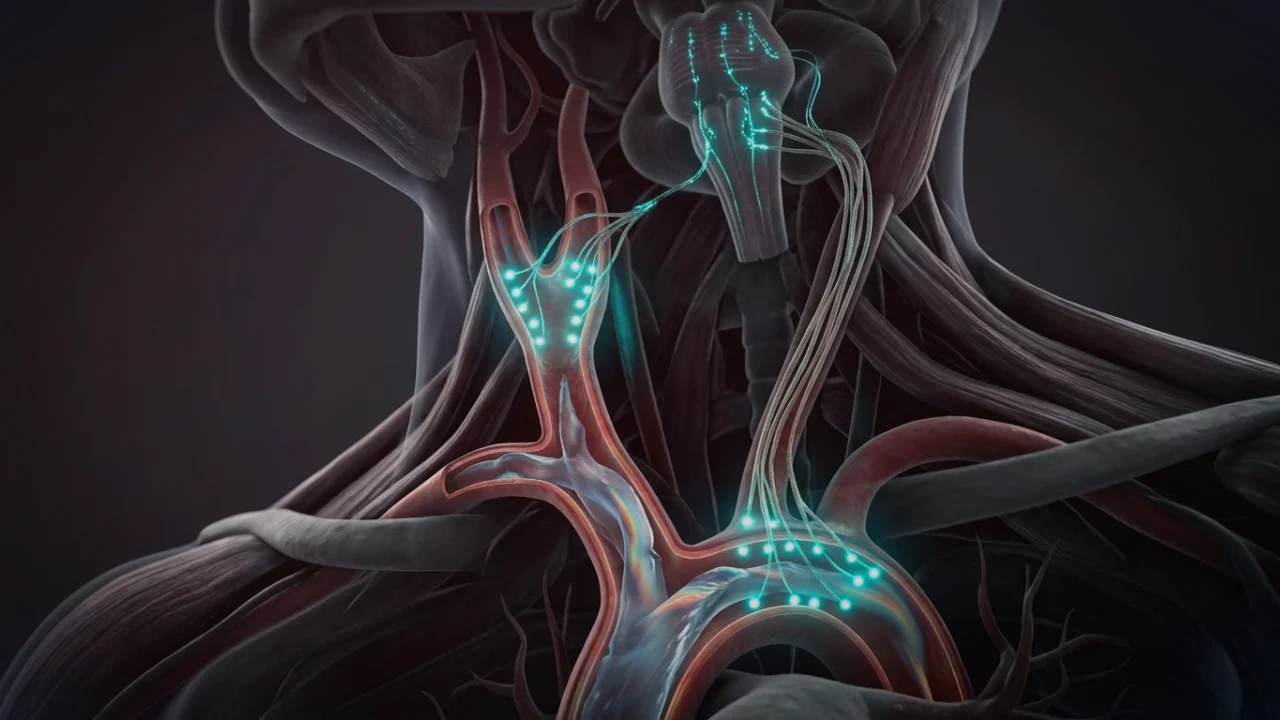
When a healthy human moves from lying flat to an upright standing posture, gravity immediately shifts between 500 and 1,000 milliliters of blood downward into the distensible venous capacitance beds of the pelvis, splanchnic circulation, and lower limbs. In response, carotid and aortic baroreceptors sense the instantaneous drop in venous return and fire rapid sympathetic impulses to constrict vascular smooth muscle and raise heart rate by 10 to 20 bpm, maintaining blood pressure with precision.
When this autonomic baroreflex mechanism fails, two primary distinct clinical syndromes emerge:
- Classical Orthostatic Hypotension (OH): Defined by the American Academy of Neurology and American Autonomic Society as a sustained reduction in systolic blood pressure of at least 20 mmHg or a reduction in diastolic blood pressure of at least 10 mmHg within 3 minutes of standing or head-up tilt. In severe hypertensive patients, a systolic drop of ≥30 mmHg is required.
- Postural Orthostatic Tachycardia Syndrome (POTS): Defined by a sustained increase in heart rate of at least 30 bpm (or ≥40 bpm in patients aged 12–19 years) within 10 minutes of standing, specifically in the absence of orthostatic hypotension. In POTS, the compensatory sympathetic surge succeeds in holding blood pressure stable—or even causing paradoxical orthostatic hypertension—at the cost of severe tachycardia and cerebral hypoperfusion.
Because dizziness, lightheadedness, coat-hanger neck pain, and visual tunnel vision occur in both disorders, measuring orthostatic vitals correctly is vital. Learn how autonomic balance impacts cardiovascular regulation in our review of vagal tone exercises and autonomic balance.
2. Tilt Table Testing: What Happens During 70-Degree Head-Up Tilt
The Head-Up Tilt Table Test (HUTT) remains the gold standard for recording autonomic hemodynamics. The patient lies supine on a motorized pivot table with footboard support in a temperature-controlled autonomic laboratory. Continuous beat-to-beat finger plethysmography (Finapres / Portapres), 12-lead ECG, and end-tidal (CO_2) monitors are affixed.
After a mandatory 15-to-20 minute baseline resting period, the table smoothly rotates to a 70-degree angle. By removing muscle pump contraction from the calf muscles (the "second heart"), passive tilting isolates pure autonomic baroreflex responses:
- The Normal Response: Systolic BP dips transiently for 10-15 seconds, then rapidly returns to baseline; diastolic BP rises by 5-10 mmHg; heart rate increases by 10-15 bpm.
- The POTS Response: Blood pressure remains stable or slightly increases. Heart rate climbs steadily, exceeding the +30 bpm threshold within 2 to 5 minutes and remaining elevated throughout the tilt duration.
- The Classic OH Response: Blood pressure collapses precipitously within the first 3 minutes (e.g., dropping from 120/80 mmHg to 85/55 mmHg), precipitating lightheadedness, pallor, and near-syncope unless tilted down.
- Delayed Orthostatic Hypotension: Blood pressure remains normal for the first 3 minutes, but progressively declines after 5 to 30 minutes of continuous upright tilt, representing early mild sympathetic adrenergic failure.
3. Clinical Differential Matrix: POTS vs. Classical OH vs. Delayed OH
| Clinical Parameter | Postural Orthostatic Tachycardia (POTS) | Classical Orthostatic Hypotension (OH) | Delayed Orthostatic Hypotension (D-OH) |
|---|---|---|---|
| Blood Pressure Response | Stable or elevated (no drop ≥20/10) | Drops ≥20 mmHg systolic or ≥10 diastolic <3 min | Drops ≥20/10 mmHg after 5 to 45 minutes |
| Heart Rate Response | Marked increase (≥30 bpm / ≥40 in teens) | Blunted in neurogenic OH (ΔHR <15 bpm); elevated in hypovolemia | Gradual compensatory rise, then decline if pressure fails |
| Patient Demographics | Young females (80-85% female, ages 15–45) | Older adults (>60 years); equal sex ratio | Middle-aged to older adults; neurodegenerative prodrome |
| Primary Pathology | Neuropathic, hypovolemic, or hyperadrenergic dysautonomia | Post-ganglionic efferent sympathetic denervation / atrophy | Mild, slowly progressive sympathetic adrenergic failure |
| Supine Hypertension | Rare | Extremely common (up to 50% of neurogenic OH) | Moderate prevalence |
| Cerebral Blood Flow Velocity | Drops 15–20% due to hyperventilation & vasoconstriction | Drops in direct proportion to systemic arterial perfusion pressure | Delayed progressive hypoperfusion |
| Diagnostic Tilt Duration | 10 minutes head-up tilt | 3 minutes active stand or tilt | Up to 30–45 minutes prolonged tilt |
4. The Baroreflex Arc: Why Heart Rate Fails in Neurogenic OH
A crucial diagnostic indicator during orthostatic testing is the ΔHR / ΔSBP ratio. When non-neurogenic causes (such as dehydration, acute blood loss, or diuretic overuse) cause orthostatic hypotension, the afferent and efferent autonomic pathways are intact; consequently, the heart accelerates vigorously (often >30 bpm) in a desperate attempt to pump falling blood volume.
In contrast, in Neurogenic Orthostatic Hypotension (nOH), post-ganglionic sympathetic fibers that release norepinephrine at vascular and cardiac beta receptors are structurally damaged. The ratio of heart rate change to systolic pressure drop is blunted:
Neurogenic OH Ratio: ( rac{Delta ext{Heart Rate (bpm)}}{Delta ext{Systolic BP (mmHg)}} < 0.5)
If systolic blood pressure plummets by 40 mmHg upon standing, but heart rate rises by less than 10 bpm, neurogenic autonomic failure is confirmed. This pattern is characteristic of conditions like Parkinson's disease, Pure Autonomic Failure (PAF), and diabetic autonomic neuropathy.
5. Therapeutic Management: Midodrine, Droxidopa vs. Volume Expansion
Because the hemodynamic mechanics are distinct, managing OH requires vastly different clinical strategies than managing POTS:
- Orthostatic Hypotension Management: The clinical goal is elevating standing blood pressure without worsening supine nocturnal hypertension. Pharmacotherapy includes Midodrine (α1-agonist to constrict arterioles), Droxidopa (a synthetic norepinephrine precursor converted in peripheral sympathetic nerves), and Fludrocortisone. Patients must elevate the head of their bed 15 to 20 degrees at night to reduce nocturnal natriuresis.
- POTS Management: Because baseline blood pressure is not chronically deficient, pure pressors can trigger headaches and hypertensive spikes in hyperadrenergic subtypes. First-line care centers on aggressive dietary sodium (5–10 g/day), 3 to 4 liters of fluid, waist-high medical compression (30–40 mmHg), and rate-controlling agents such as Ivabradine or low-dose non-selective beta-blockers like propranolol.