
What Cortisol Does
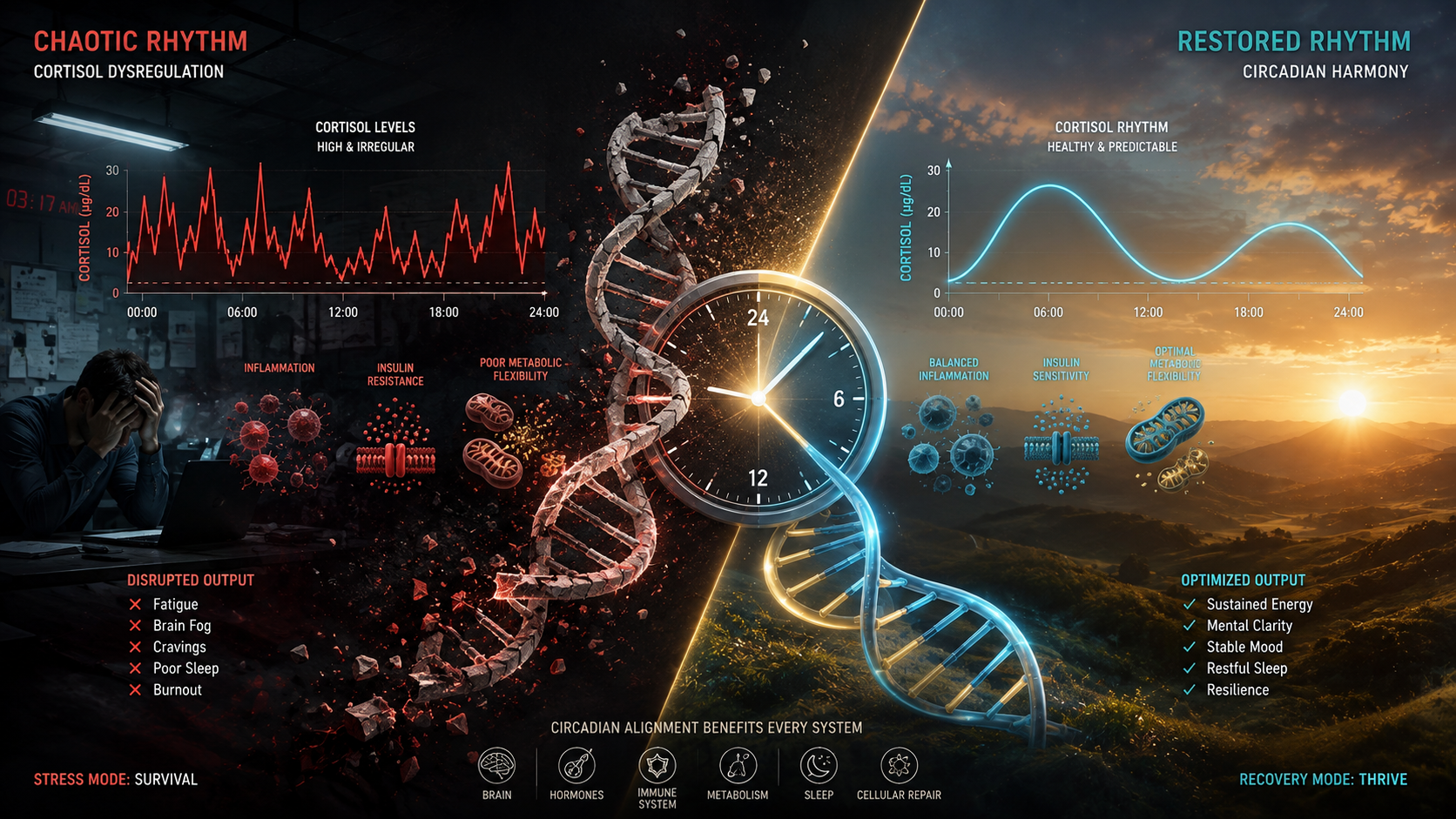
Cortisol is a hormone produced by the adrenal glands. It helps regulate the stress response, metabolism, inflammation, and blood pressure. Levels normally vary across the day. A temporary rise during exercise or a stressful event is different from a medical condition that causes sustained excess cortisol.
Feeling anxious, tired, or having trouble sleeping does not tell you your cortisol level. These symptoms have many possible causes. MedlinePlus explains cortisol testing and why a result needs to be interpreted alongside your health history.
Everyday Stress and Cushing's Syndrome Are Different
Cushing's syndrome occurs when the body is exposed to too much cortisol over time. It can be associated with prolonged use of certain glucocorticoid medicines or with tumors affecting hormone production. It is not a diagnosis to make from a stressful week, body shape, or an online symptom checklist.
Treatment depends on the cause. If you take a prescribed steroid medicine, do not stop it or change the dose on your own. Discuss concerns with the prescriber. The NIDDK overview of Cushing's syndrome describes its causes, evaluation, and treatment.
Habits That Can Support Stress Management
The practical goal is to support sleep, coping, and daily functioning. There is no universal routine that supports a particular cortisol level or a fixed recovery time.
Protect Your Sleep Schedule
Keep bedtime and waking time reasonably consistent. Use a quieter period before bed and keep the room comfortable, dark, and quiet. Caffeine and nicotine can interfere with sleep; avoid alcohol as a sleep aid. These are sleep-support habits, not treatments for an endocrine disorder.
The NHLBI guide to healthy sleep habits offers practical advice, including adaptations for shift work. Our sleep hygiene article discusses ways to make a bedtime routine more manageable.
Choose Manageable Movement and Regular Meals
Regular physical activity, balanced meals, and hydration can support mental well-being. Choose movement you can sustain and adapt it to your health and abilities. This article does not prescribe a training intensity, supplement dose, or diet based on an assumed cortisol problem.
The NIMH self-care guidance also emphasizes setting achievable priorities and staying connected to supportive people. A short walk, a regular meal, or asking for help can be a practical starting point when daily demands feel overwhelming.
Try Relaxation Without Forcing It
Gentle breathing, progressive muscle relaxation, or mindfulness may help some people manage stress. NCCIH reports preliminary evidence for diaphragmatic breathing and notes that benefits and study quality vary. A breathing exercise should not be described as an immediate hormonal reset or a replacement for treatment.
Choose a comfortable practice and stop if it increases distress or makes you feel unwell. The NCCIH stress resource explains benefits, limitations, and safety considerations. If symptoms persist or interfere with daily life, seek professional support.
Should You Take a Cortisol-Lowering Supplement?
This guide does not recommend supplement combinations or doses. Some ashwagandha preparations have been studied for stress and sleep, but evidence varies and long-term safety remains uncertain. NCCIH describes possible medication interactions and reports of liver injury. Pregnancy, breastfeeding, and certain medical conditions require particular caution.
Consult a healthcare professional before trying a supplement, especially if you take medicines. Read NCCIH's ashwagandha safety information. A product marketed as a cortisol blocker is not a substitute for investigating persistent symptoms.
When Cortisol Testing Makes Sense
A clinician may use blood, saliva, or urine tests when investigating a suspected hormone disorder. The choice of test and sample timing matter. Medicines, stress, exercise, and other factors can affect results. A single abnormal value does not establish the cause, and different tests cannot be interpreted using one universal online target.
Ask your clinician which test answers the clinical question and how to prepare. There is no requirement for every stressed person to buy a commercial hormone panel. MedlinePlus describes the uses and limitations of cortisol tests.
When to Get Medical Advice
Seek assessment for persistent or worsening symptoms, an abnormal hormone test, or symptoms that affect your ability to work, sleep, or care for yourself. Tell the clinician about medicines and supplements you use. Unexplained easy bruising, wide purple stretch marks, or progressive muscle weakness are examples of findings that may require evaluation; they do not diagnose Cushing's syndrome by themselves.
A useful preparation is a short record of symptoms, sleep patterns, medication use, and questions for the appointment. Do not delay appropriate care while waiting for a lifestyle routine to change a laboratory result.
A Practical Starting Point
Choose one manageable habit and notice whether it helps your daily life. Review persistent symptoms with a healthcare professional rather than judging progress against a promised hormonal percentage. Sleep support and stress management can complement medical care; confirmed cortisol disorders need treatment appropriate to their cause.